
Introduction: Understanding the Hidden Tooth
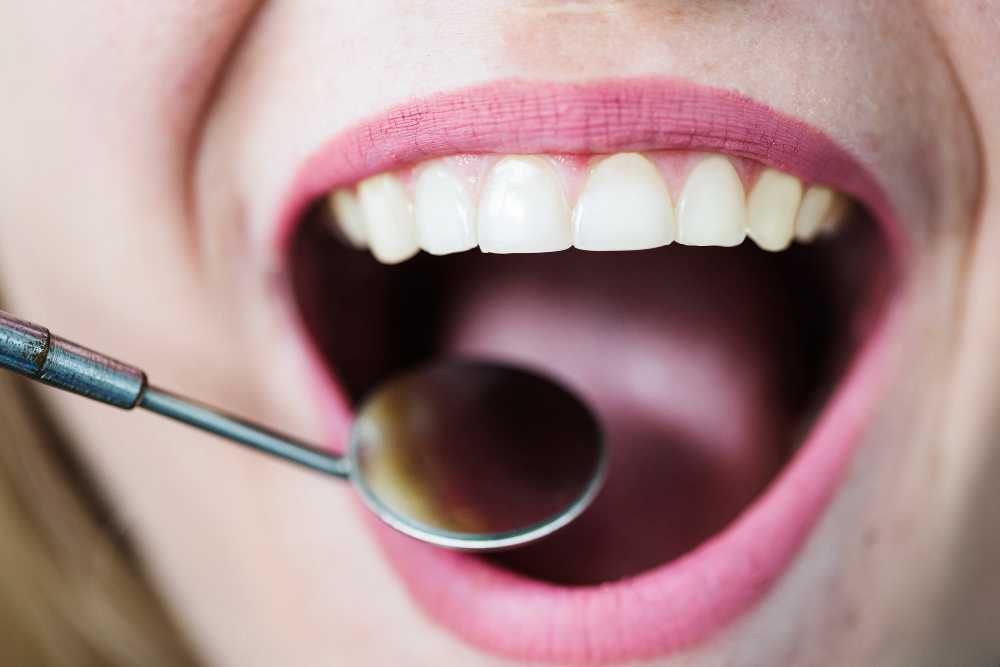
Sometimes, an adult canine fails to erupt into the smile. This condition is also called an impacted canine tooth or a hidden tooth in adults. When a canine tooth does not come out as expected, it can cause canine eruption problems. Usually, the canine teeth are the pointed teeth near the front of your mouth. However, if one stays hidden, it may lead to dental issues. Knowing what to do can help you keep your smile healthy and bright.
What Is a Hidden (Impacted) Adult Canine Tooth?
A hidden or impacted adult canine tooth is a tooth that does not break through the gum. Instead, it stays trapped under the gum or bone. Often, this happens in the upper jaw. The canine tooth is important because it helps you bite and keeps your other teeth in place. But, when it stays hidden, it can cause problems for your mouth and smile.
Common Symptoms and Signs
Sometimes, you may not notice any problems at first. However, there are signs that may point to a hidden canine tooth. Watch for these symptoms:
If you notice any of these signs, it is important to talk to your dentist. Early action can prevent more serious problems.
Causes and Risk Factors
There are several reasons why an adult canine fails to erupt. Some common causes include:
In addition, certain health conditions or injuries can increase the risk. Knowing these factors can help you and your dentist plan the best care.
How Dentists Diagnose a Hidden Canine
First, your dentist will look at your mouth and ask about your dental history. Next, they may take X-rays or special scans. These images help the dentist see where the hidden tooth is located. Sometimes, they use a 3D scan for a clearer view. With this information, your dentist can decide the best way to treat the problem.
Treatment Options for a Hidden Canine
There are several ways to treat a hidden adult canine tooth. The right choice depends on your age, the tooth’s position, and your overall dental health. Common treatment options include:
Often, a team of dental specialists will work together to plan your care. Early treatment usually leads to better results.
Prevention Tips and Oral Health Guidance
While not all cases can be prevented, you can lower your risk with good dental habits. Here are some tips:
With these steps, you can help keep your smile healthy and spot problems early.
When to Seek Professional Dental Help
If you notice a gap where a canine tooth should be, or if you feel pain or swelling, see your dentist soon. Early care can prevent bigger problems. Also, if your child’s adult teeth are not coming in as expected, ask your dentist for advice. The sooner you act, the easier it is to fix the problem.
Conclusion
In summary, a hidden or impacted adult canine tooth can cause problems for your smile. However, with early diagnosis and the right treatment, you can protect your oral health. Consult a dental specialist for personalized advice if you suspect a hidden tooth.